
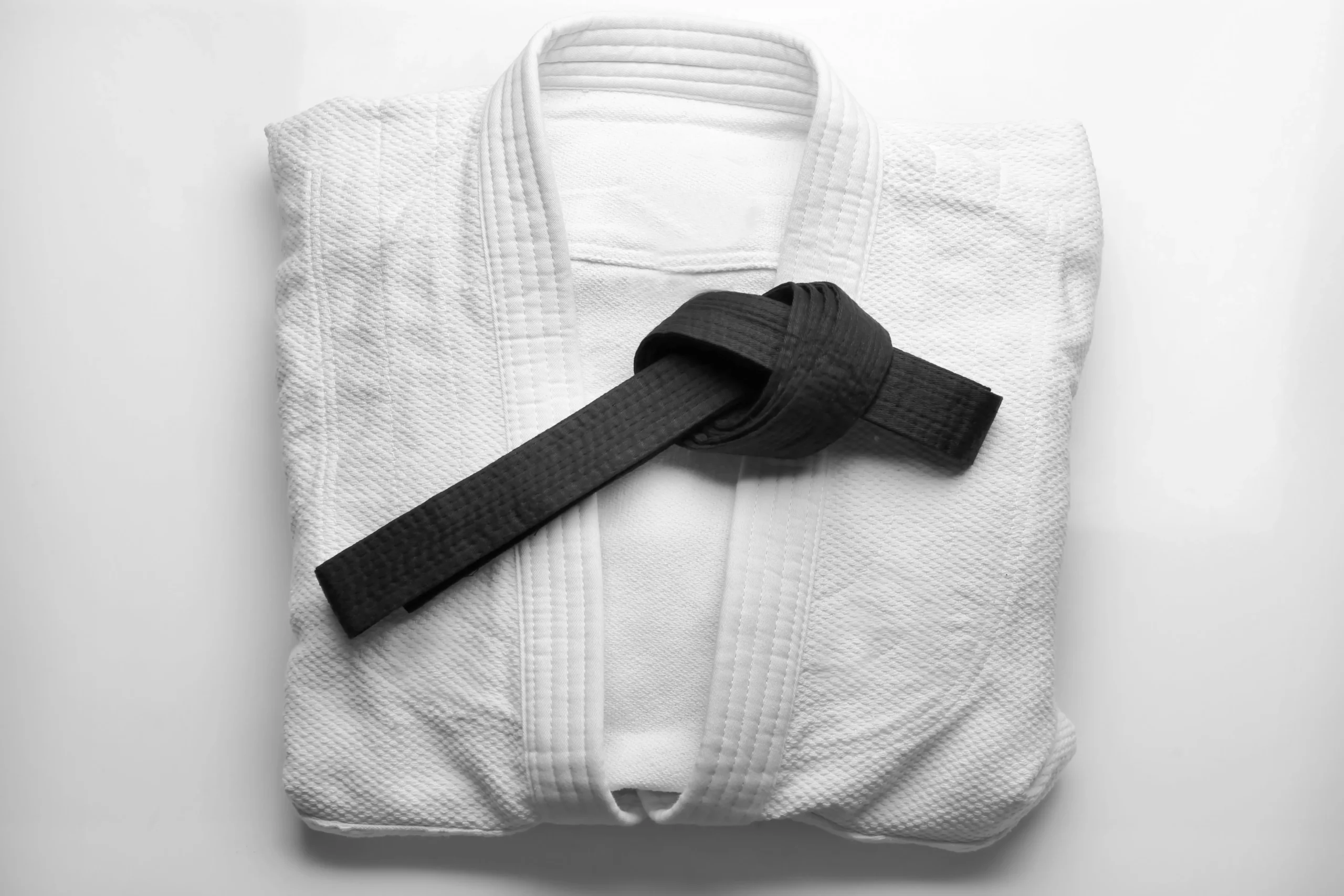
The gi is the heavy cotton uniform BJJ practitioners wear, and its main job is to give your opponent something to grip.
What is a gi?
A gi (pronounced "gee") is the traditional uniform of Brazilian jiu-jitsu: a jacket, pants, and a belt. The fabric is usually a heavy cotton weave, sturdy and durable, and it gives both practitioners a good grip to control each other during techniques.
The history of the gi
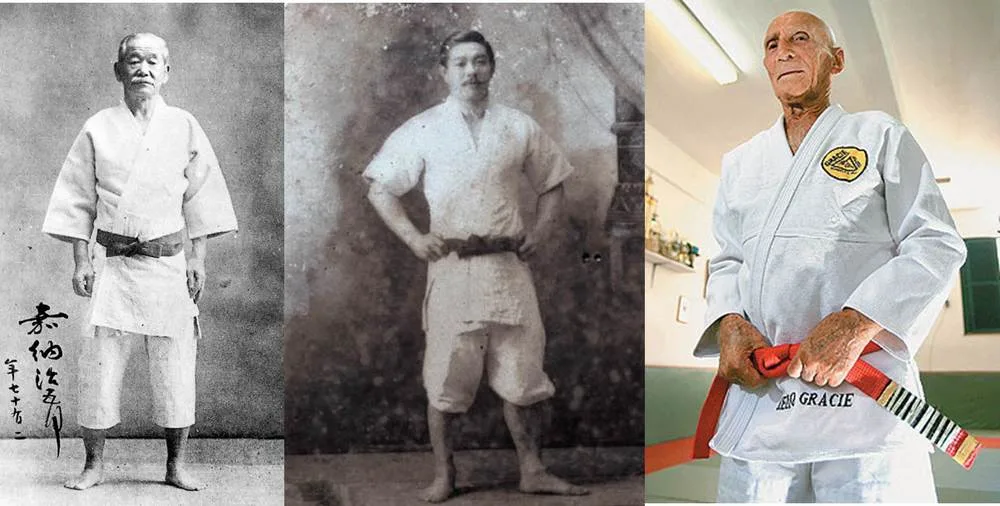
The gi comes from Japan, where it was worn in Kodokan judo. In the early 1900s a Japanese immigrant named Mitsuyo Maeda brought judo to Brazil. One of his students, Carlos Gracie, went on to be one of the founders of BJJ.
See also: A History of Gracie Jiu Jitsu
Early BJJ practitioners simply wore their judo gis. Over time, lighter and more comfortable BJJ-specific gis replaced them.
Since then brands have developed cuts and designs made for BJJ. Many now use a cotton and polyester blend, which is more durable and resists shrinking and fading.
Why wear a gi?
First, grip. The fabric gives you a better gripping surface than skin, which matters for control and submissions.
Second, protection. The gi is a barrier between your skin and the mat, which helps prevent mat burn and other injuries.
Third, respect. Stepping onto the mat in a gi shows respect for the art and your opponent, and says you're serious.
How to choose the right gi
Consider your size, weight, and training goals. A beginner wants a lighter gi that isn't bulky or constricting. As you get more experienced, you can move up to a heavier gi that offers more protection and durability. If you plan to compete, invest in a high-quality gi that will withstand competition. Otherwise you don't need the most expensive one on the market.
Size is the most important factor. The gi should fit snugly but not too tight. Too loose, and it's hard to grip your opponent, which puts you at a disadvantage. Too tight, and you can't move freely.
Design and color
Design and color make no difference to how well you perform. They only matter if you're competing in a tournament with rules about what you can wear. In most cases any gi that meets the tournament's size and weight requirements is fine. Your gi shouldn't have patches or extra stitching that could hurt an opponent. Beyond that, pick whatever you'll be happy to wear.
Best brands of gi
A few brands to consider:
Fuji Sports
Sanabul
Gold BJJ
Origin
Venum
Tatami
Kingz
How to care for a gi
After each use, hang your gi up to air out. That helps prevent bacteria and fungus. Once a week, wash it in cold water with a mild detergent, then hang it up to dry or put it in the dryer on low heat.
Store it in a cool, dry place. A humid area can make the fabric mildew.
The jiu-jitsu belt
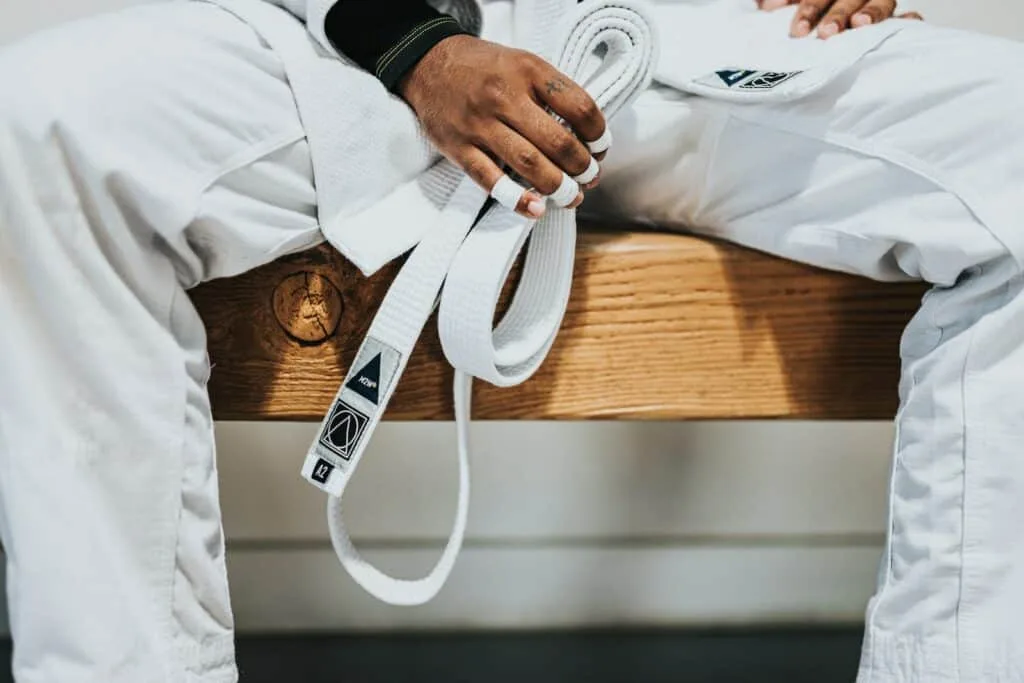
The belt shows your rank in Brazilian Jiu-Jitsu. White belts are beginners, blue belts are intermediate, and black belts are advanced. Red belts are rare and reserved for the most advanced masters.
You buy a new belt when you earn the rank. Never buy a used one, which can be seen as disrespectful to the art.
The belt should be just long enough to go around your waist and tie in a double knot, with the excess tucked into the front of your pants. One that's too long or too short can be seen as disrespectful and gets in the way when you roll, so get the right size.
See also: Our Guide to the BJJ Belt System