
Brazilian Jiu Jitsu (BJJ)
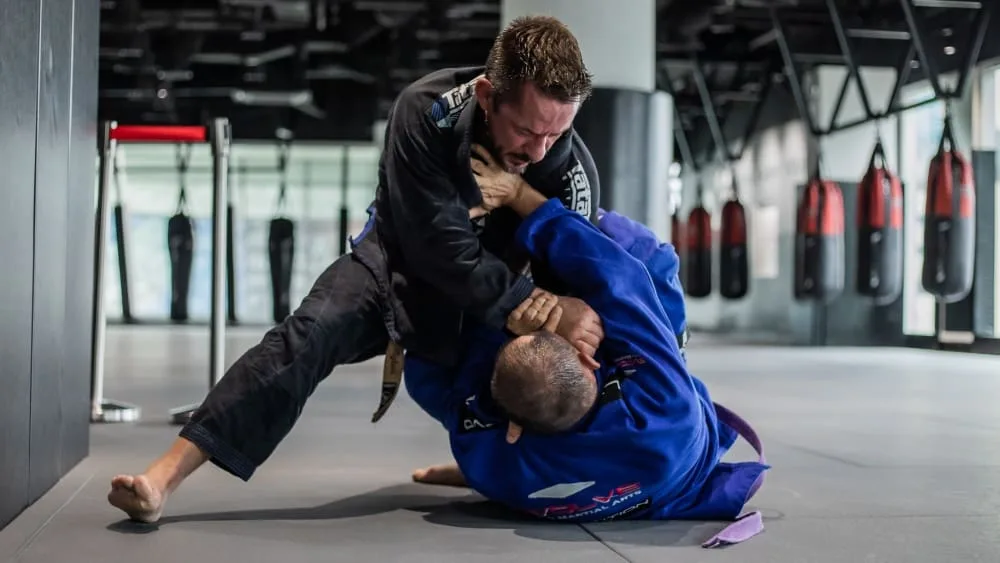
BJJ: introduction
Brazilian Jiu-Jitsu is a grappling-based art and one of the most popular styles in the world. It works as a self-defense system for people of all sizes and strength levels.
BJJ: history
BJJ grew out of judo and jujutsu brought to Brazil in the early 20th century by Japanese emigrant Mitsuyo Maeda. Judo was itself based on jujutsu. The Gracie family brought it to prominence by using it to great effect in MMA tournaments, and it has kept growing since.
BJJ: benefits
BJJ uses leverage and technique to beat larger, stronger opponents, which makes it a good fit for smaller people. It's also a full-body workout that builds cardio, flexibility, and strength. The community is typically friendly and welcoming, and you'll quickly get to know your training partners.
BJJ: drawbacks
A good instructor can be hard to find, and there are plenty of bad teachers, so research a gym before you commit. BJJ can also be dangerous if it's not practiced properly. Injury risk is there any time you train, and it rises when you grapple with larger, stronger opponents. Finally, it takes a long time to master, and you need regular training to make real progress.
Gi vs. no gi
The first decision when starting BJJ is whether to train in the gi or no gi. The gi is the traditional uniform of jacket, pants, and belt. No gi is the more modern approach and needs no uniform.
The equipment you will need
You'll need a gi (the uniform), a mouthguard, a groin cup (for men), a rash guard (a shirt worn under the gi to prevent friction), and a pair of grappling shorts for no gi training.
See also, our Brazilian Jiu Jitsu Gi Guide.
Taekwondo
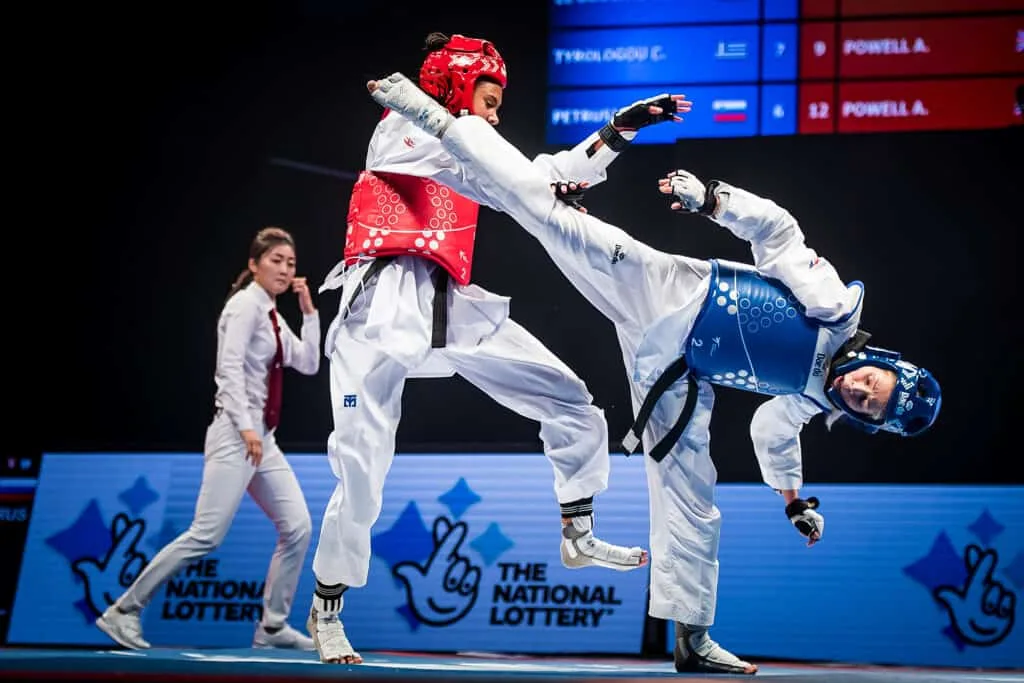
Taekwondo: introduction
Taekwondo is a Korean striking art, one of the most popular in the world and an official Olympic sport. It's known for spectacular kicking techniques, and practitioners rely mostly on fast, powerful kicks.
Taekwondo: history
Taekwondo was developed in the 1940s and 1950s by a group of Korean martial artists. It descends from earlier Korean fighting styles, with influences from Chinese kung fu and Japanese karate.
Taekwondo: benefits
It's an excellent workout that builds discipline and self-confidence. The kicks are particularly effective, and you'll develop speed, explosiveness, and precision with them. It also lets you defend yourself against larger opponents with ease.
Taekwondo: drawbacks
Kicking is hard to master. It takes a lot of practice to develop proper technique, and you'll need patience. Larger, heavier people might struggle to keep up with smaller, lighter practitioners, since taekwondo involves a lot of jumps and twists.
The equipment you will need
You'll need a dobok (the uniform), a mouthguard, a groin cup (for men), headgear and possibly shin guards, plus gloves and foot pads.
Karate
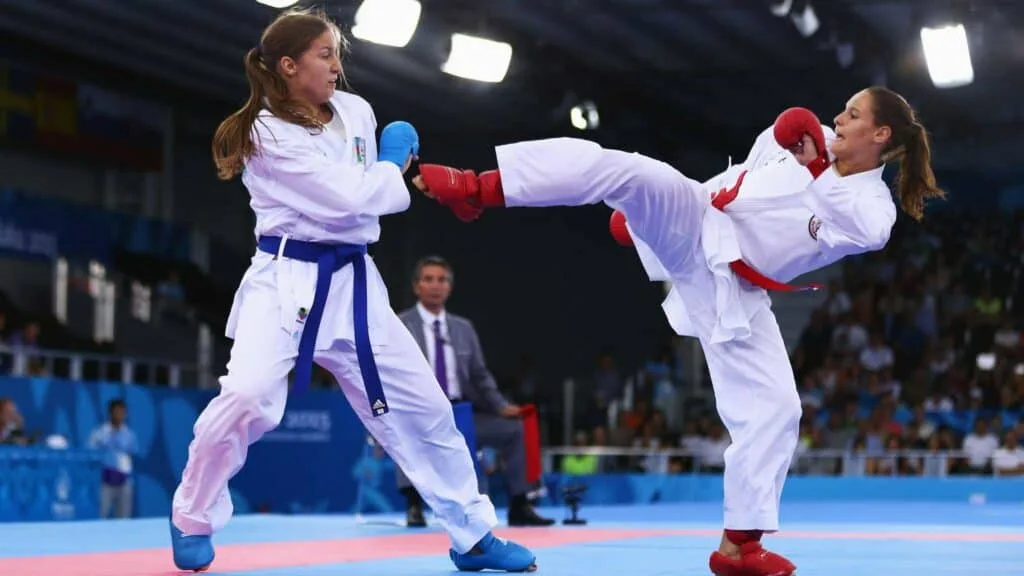
Karate: introduction
Karate is a Japanese striking art, one of the most popular in the world, and it has featured in many Hollywood movies. It's known for its punching techniques, though practitioners use a variety of techniques.
Karate: history
Karate was developed in the Ryukyu Islands, in what is now Okinawa, Japan. It descends from earlier Chinese kung fu styles, with influences from Japanese jujutsu.
Styles of karate
Many styles are practiced around the world. The more popular are Shotokan, Wado-ryu, Shito-ryu, and Goju-ryu, each with its own techniques and philosophies. The most effective are Shotokan and Goju-ryu, because of their focus on power and precision and their dedicated sparring sessions.
Karate: benefits
Karate is an excellent workout that builds discipline and self-confidence, and it focuses heavily on tradition, culture, and respect. It also offers both striking and grappling techniques, which makes it well-rounded.
Karate: drawbacks
Karate is not the most effective art in a real-life self-defense situation. Many karate schools also avoid sparring and competition, so you might not get to test your skills against other practitioners.
The equipment you will need
You'll need a gi (the uniform), a mouthguard, gloves, headgear, shin guards, and a belt to signify your rank.
Muay Thai
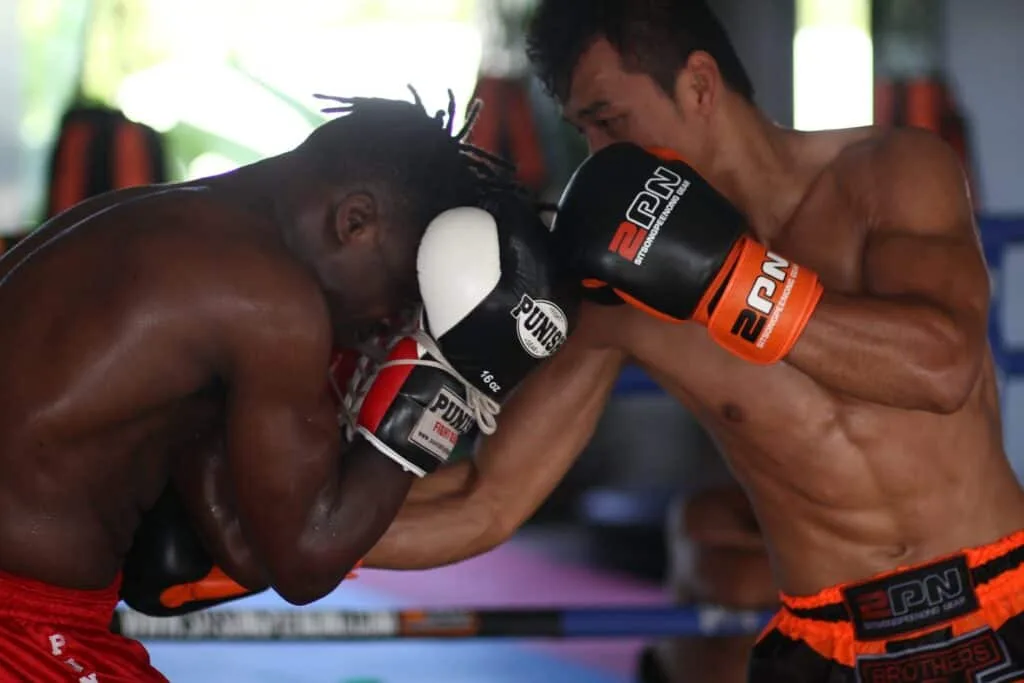
Muay Thai: introduction
Muay Thai is a Thai striking art, one of the most popular in the world. It has been in some high-production movies, though not enough, in my opinion. It's known as the "Art of Eight Limbs" because it uses punches, kicks, knees, and elbows.
Muay Thai: history
Muay Thai dates back hundreds of years. It was developed in Thailand as self-defense against invaders in wartime, later became a popular sport, and is now one of the most popular striking arts in the world.
Muay Thai: styles
There are two main styles: Nak Muay (Thai boxing) and Muay Boran (ancient boxing). Muay Boran is rarely practiced anymore, since the more modern Nak Muay has replaced it.
Muay Thai: benefits
It's an excellent workout that builds discipline and self-confidence, and it focuses heavily on tradition, culture, and respect. You'll develop powerful kicks, punches, and elbows, and come to understand the culture around the sport and respect the Thai people more.
Muay Thai: drawbacks
Muay Thai has almost no grappling besides the clinch, so you're at a disadvantage against a grappler. It can also be dangerous if not practiced properly. The techniques are designed to maim and injure, so always train with proper safety gear and a qualified instructor. Cuts from elbows and knees are very common.
The equipment you will need
You'll need shorts and a shirt (preferably without buttons or zippers), gloves, hand wraps, shin guards, a groin guard, and a mouthguard.
Boxing
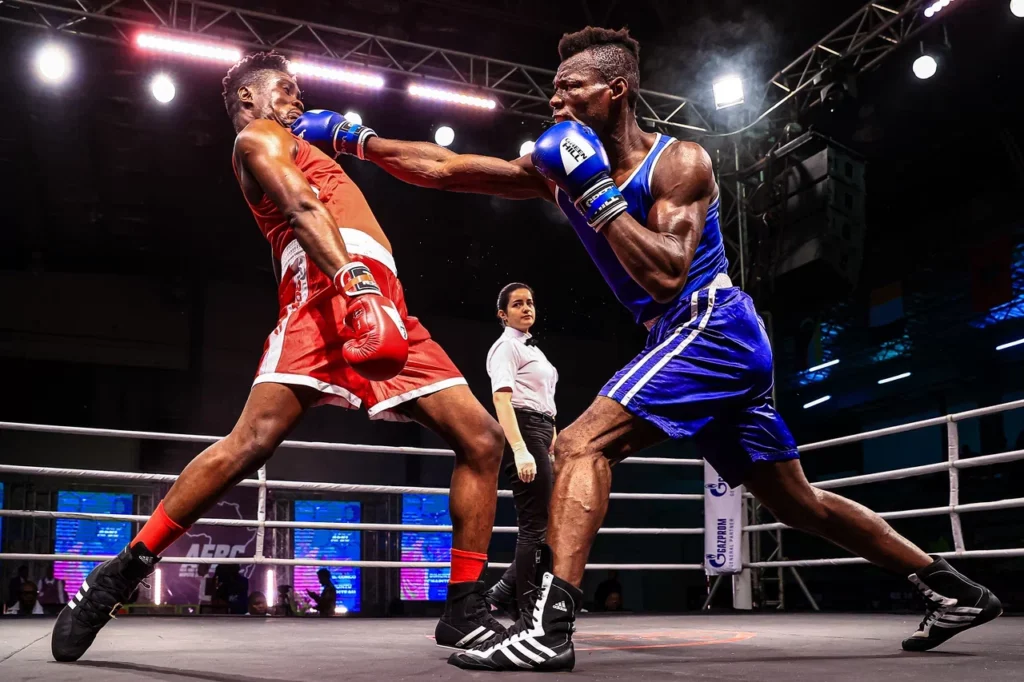
Boxing: introduction
Boxing is a striking art that has been around for thousands of years and is one of the most popular sports in the world. It's often called "the sweet science" because of its technical nature.
Boxing: history
Boxing is thought to have originated in Ancient Greece and was later practiced by the Romans. It then spread to England, where it became a popular sport. The Marquess of Queensberry rules, the basis of modern boxing, were published in 1867.
Boxing: benefits
Boxing is an excellent workout that builds discipline and self-confidence and teaches you to defend yourself in a real-life situation. It also puts a heavy focus on proper technique and form. Master it, and you'll be a very formidable opponent.
Boxing: drawbacks
Boxing is a very dangerous sport. Head injuries are common and can lead to long-term health problems. It's also not very effective against opponents trained in other martial arts. If your opponent can take you down or hold you off with kicks, you're at a severe disadvantage.
The equipment you will need
You'll need shorts and a shirt (preferably without buttons or zippers), gloves, hand wraps, boxing shoes, and a mouthguard.
Wrestling
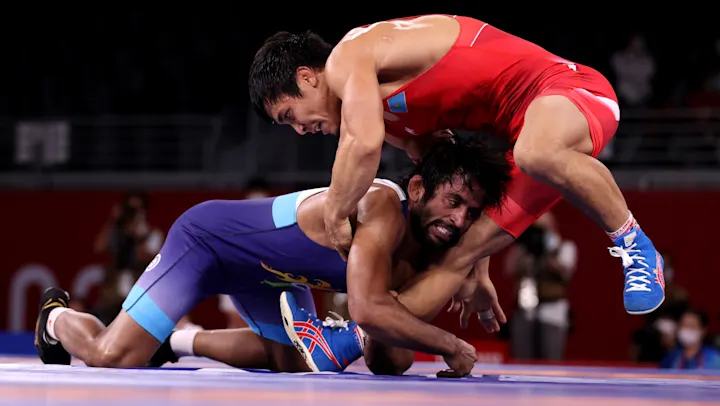
Wrestling: introduction
Wrestling is a grappling art that has been around for thousands of years and is one of the most popular sports in the world. It's often called "the tough man's sport" because of its physicality, and most wrestlers are very strong, explosive athletes.
Wrestling: history
Wrestling is thought to have originated in Ancient Greece, which put it in the Olympic games, and it was later practiced by the Romans. It then spread across the globe.
Wrestling: benefits
Wrestling is an excellent workout that builds discipline and self-confidence and teaches you to defend yourself in a real-life situation. It's also a great base for MMA, since most UFC champions have a good wrestling background.
Wrestling: drawbacks
In my opinion, wrestling has a few drawbacks. It's incredibly physically demanding, and if you're not in good shape it will be very difficult. It also takes a lot of dedication and time. You can't pick it up once in a while. You need to put in the hours to get good. Most distinguished wrestlers started as kids.
The equipment you will need
You'll need a singlet (a one-piece wrestling uniform), headgear, a mouthguard, and wrestling shoes.