
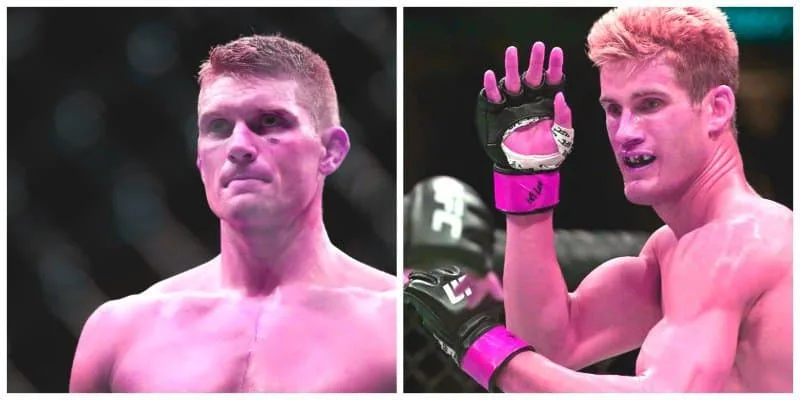
Muay Thai and kickboxing are the two dominant non-traditional striking arts. Both involve punches, kicks, and rounds in a ring, both have been absorbed heavily into MMA, and both have global circuits with established champions. But the techniques, scoring, and cultural origins are sharply different, and which one you train matters, especially if you're aiming at MMA.
The core differences
| Muay Thai | Kickboxing | |
|---|---|---|
| Origin | Thailand (codified ~16th-17th century from earlier muay boran) | Japan and the US, 1960s–1970s (hybrid of karate, boxing, Muay Thai elements) |
| Weapons used | Punches, kicks, knees, elbows: "the art of eight limbs" | Punches and kicks; some rule sets add knees (K-1 style) |
| Clinch | Central: extensive grappling clinch with knees and trips | Limited or banned (varies by ruleset) |
| Elbows | Yes, to head and body | Generally no |
| Scoring | Damage, dominance, ring control; kicks scored higher than punches | Volume and damage; depends on rule set (K-1, Glory, Dutch) |
| Round length | 3 minutes × 5 rounds (traditional) | 3 minutes × 3–5 rounds |
| Cultural framing | National sport of Thailand, religious and ritual elements | Sport / fitness orientation, no ritual framework |
What makes Muay Thai distinctive
Muay Thai is "the art of eight limbs": both hands, both feet, both knees, both elbows. A fighter with the full toolkit can do damage from any range and any position. The key elements:
- Roundhouse kick (te). Muay Thai's signature technique. The shin, not the foot, is the striking surface, and the rotation comes from the hips and core. A clean roundhouse to the head ends fights, and one to the leg destroys mobility over rounds.
- Clinch (plum). Standing grappling that's central to Muay Thai but absent from most kickboxing. From the clinch, fighters throw knees, sweep opponents, and control posture. Mastering it is a defining mark of a skilled Nak Muay.
- Elbows (sok). Short-range cutting and concussive strikes. The point of the elbow can split skin in ways punches can't.
- Body kicks and the "Thai check". The shin-on-shin block, raising the front shin to absorb a kick. Skilled fighters can check a leg kick so hard that the attacker breaks their shin against the block.
Training in Thailand is brutal by global standards. Two-a-day sessions, lots of pad work, regular sparring, and 20+ fights a year are common for young Thai professionals. The injury rate is high, and competitive careers often peak before age 25.
What makes kickboxing distinctive
Kickboxing covers several related styles:
- American kickboxing. Above-the-waist kicks only, no leg kicks. A boxing emphasis with kicks added. It's largely been supplanted internationally but is still present in US gyms.
- K-1 / international kickboxing. The dominant global format. Punches and kicks to head, body, and leg. Clinch limited, knees often allowed. The K-1 promotion dominated the 2000s, and Glory continues the tradition today.
- Dutch kickboxing. A high-volume, combination-heavy style developed in the Netherlands, with a strong influence on modern MMA striking. Mike's Gym, Vos Gym, and Schiltberg are key Dutch camps.
- Japanese kickboxing. Codified by Osamu Noguchi in the 1960s, blending karate with Muay Thai.
The K-1 / international format is what most "kickboxing" gyms teach today. Compared to Muay Thai, the pace is faster, the volume higher, and the clinch largely absent.
Crossover into MMA
Muay Thai in MMA
Muay Thai is the dominant striking base for modern UFC fighters. Its toolkit of kicks, knees, elbows, and clinch translates almost directly to MMA, where all of those weapons are legal. UFC champions and contenders with strong Muay Thai backgrounds include:
- Anderson Silva. One of the most decorated Muay Thai practitioners ever to fight in the UFC.
- José Aldo. Brazilian Muay Thai standout who dominated WEC and UFC Featherweight.
- Edson Barboza. Brazilian Muay Thai champion known for wheel kicks and leg kicks.
- Joanna Jedrzejczyk. Polish Muay Thai world champion before MMA, UFC Strawweight champion.
- Valentina Shevchenko. Kyrgyzstani Muay Thai world champion and UFC Women's Flyweight champion.
- Alex Pereira. Brazilian Muay Thai world champion (Glory), multi-division UFC champion.
Kickboxing in MMA
Kickboxing, especially the Dutch style, is also well represented in MMA, particularly through gyms like American Top Team (with Dutch kickboxing influence) and the Jackson-Wink camp. UFC fighters with kickboxing backgrounds include:
- Stephen Thompson. Karate-kickboxing hybrid; multi-time Welterweight title contender.
- Conor McGregor. Boxing-dominant striker with kickboxing influence.
- Holly Holm. Former kickboxing world champion before MMA.
- Israel Adesanya. Multi-discipline striker including kickboxing and Muay Thai.
At the elite level the line blurs. Most modern striking-base UFC fighters train both, and the difference is more about emphasis than exclusion.
Which should you train?
- For MMA: Muay Thai. The kicks, knees, elbows, and clinch map directly to MMA rules.
- For pure striking sports: Either works. K-1 / international kickboxing has slightly more visible competitions globally. Muay Thai has deeper traditions and more authentic competitive circuits in Thailand and elsewhere.
- For fitness: Kickboxing classes (especially "cardio kickboxing") are more accessible in most US gyms. Muay Thai gyms tend to be more hardcore but also more authentic.
- For self-defense: Muay Thai, slightly. Clinch knowledge matters when fights happen at close range.
- For boxing crossover: Kickboxing, especially Dutch kickboxing. The punching mechanics are closer to Western boxing.
- For traditional / cultural depth: Muay Thai. Kickboxing has no equivalent ritual and cultural framework.
Can you train both?
Yes, and many serious strikers do. The techniques overlap heavily, and the differences are mostly in scoring emphasis, clinch rules, and elbows. A Muay Thai fighter who cross-trains in Dutch kickboxing typically adds boxing combinations and high-volume striking. A kickboxer who cross-trains in Muay Thai adds clinch, elbows, and shin conditioning.
The mix produces some of the most complete strikers in MMA, including most of the City Kickboxing roster (Eugene Bareman's program in Auckland) and the Glory champions who have moved into MMA.
Frequently asked questions
Is Muay Thai or kickboxing better for MMA?
Muay Thai, slightly. Elbows, knees, and the clinch translate directly to MMA's rule set, and most modern UFC striking-base fighters come through Muay Thai-heavy programs.
What's the difference between K-1 and Muay Thai?
K-1 (international kickboxing) allows punches and kicks, with a limited clinch and typically no elbows. Muay Thai permits all of that plus extensive clinch work and elbow strikes. K-1 fights tend to be faster-paced and more punch-heavy. Muay Thai fights are more measured, with rhythmic kick exchanges.
Is Muay Thai harder than kickboxing?
Generally yes, by a clear margin. Training in Thailand involves two-a-day sessions and regular sparring, and 20+ fights a year are common for young pros. The cumulative damage to the body is significant.
Can a Muay Thai fighter beat a kickboxer?
It depends on the rule set. Under Muay Thai rules, the Muay Thai fighter usually wins, because the clinch and elbows are decisive. Under K-1 rules, kickboxers more often win, thanks to the faster pace and more punches. At the highest level, top fighters from both arts compete in both circuits.
Should I learn Muay Thai or boxing first?
Boxing first, then add Muay Thai. Boxing's punch mechanics are more granular and its defensive footwork translates everywhere. Once the boxing fundamentals are solid, adding Muay Thai kicks, knees, and elbows is straightforward.
Who is the most famous Muay Thai fighter in MMA?
Anderson Silva, José Aldo, and Alex Pereira are the most prominent. Pereira won the Glory Kickboxing title at middleweight, then UFC titles at middleweight and light heavyweight, which makes him the highest-profile recent Muay Thai/kickboxing-to-MMA success story.