
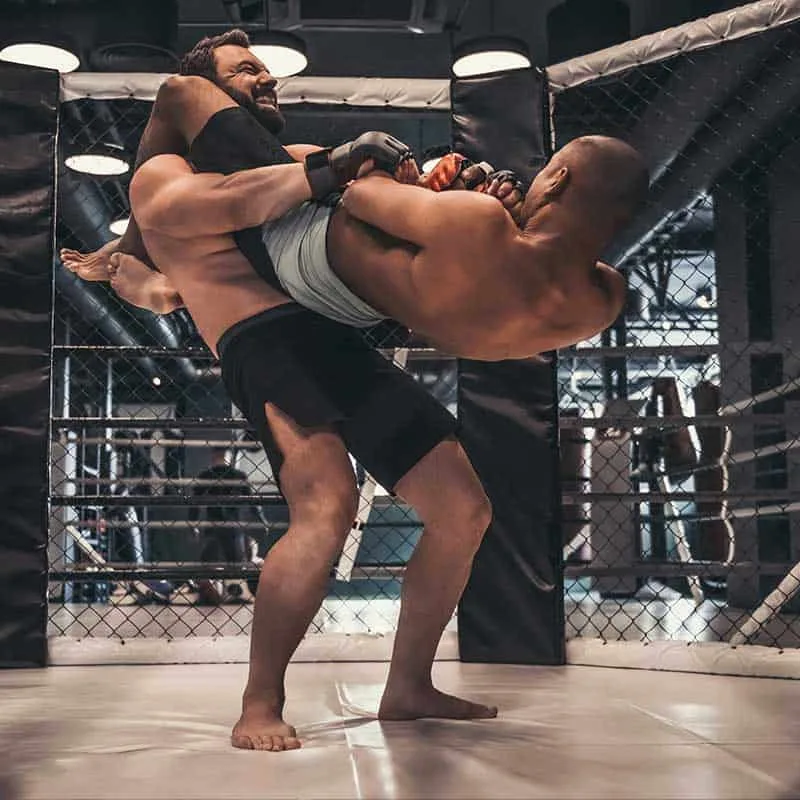
Which fighting style is most dominant in the UFC? Some people say Brazilian jiu-jitsu because of its ground game. Others say a well-rounded mix beats any single base. There's no clean answer, since different styles beat different opponents. Wrestlers tend to do well against strikers. A striker with good takedown defense can cancel that edge, and a jiu-jitsu fighter who can also strike is a threat to anyone. Still, if we had to pick one style, it would be wrestling.
Wrestling is one of the most dominant styles
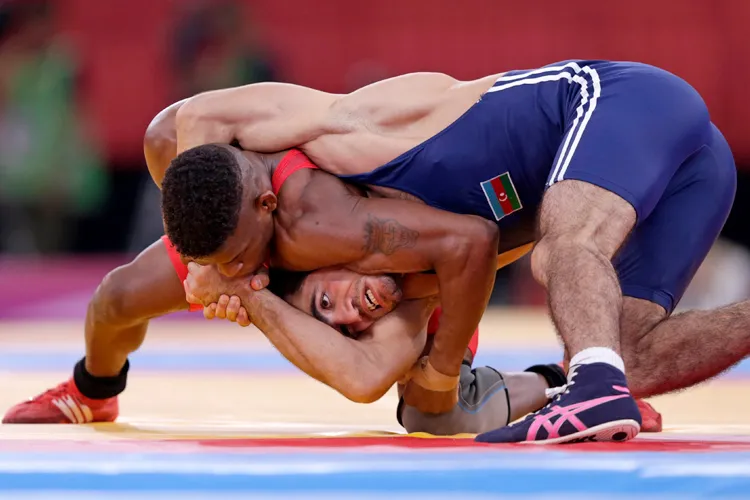
Wrestling is a grappling art built on takedowns and ground control. It's one of the oldest martial arts in the world, with origins in ancient Greece.
It took off in the UFC's early days, when fighters like Mark Coleman and Randy Couture dominated opponents with their grappling. More recently, wrestlers like Khabib Nurmagomedov and Daniel Cormier kept winning.
Islam Makhachev, a Russian wrestler, dominated Charles Oliveira, the man with the most submissions in UFC history. Oliveira is a Brazilian Jiu-Jitsu black belt under Ericson Cardoso and Jorge "Macaco" Patino. Makhachev has since moved up to welterweight, where he has held the title since November 2025. At the top of the sport, wrestlers have repeatedly beaten some of the best strikers in the world.
Why wrestling works so well in the UFC
First, it takes an opponent to the ground and keeps them there. A wrestler who controls the fight on the mat avoids strikes and can take the opponent down again at will.
Second, it's exhausting. Fights can go five rounds, and a fighter who isn't used to being taken down and held there burns out fast. Khabib described it as "drowning" his opponents.
Third, it's versatile. A wrestler can defeat an opponent by submission or just control them and grind out a decision.
Last, wrestling teaches top position. From there a fighter avoids submission attempts and can ground-and-pound to finish.
Mental toughness as a competitive edge
Wrestling is about pushing yourself to the limit. One mistake can cost the match, and you're constantly challenged physically and mentally. Wrestlers learn to stay calm under pressure and keep going when they're tired or in pain.
They're used to long training hours and often arrive in better shape than other fighters, partly because they have to make weight. They're also used to fighting out of uncomfortable positions, which helps in a cage fight.
Cutting weight from a young age builds toughness too. Wrestlers have done it dozens if not hundreds of times.
UFC champions who mastered wrestling
Many of the greatest fighters in UFC history used wrestling to win titles. Here are some of the most successful:
Brock Lesnar
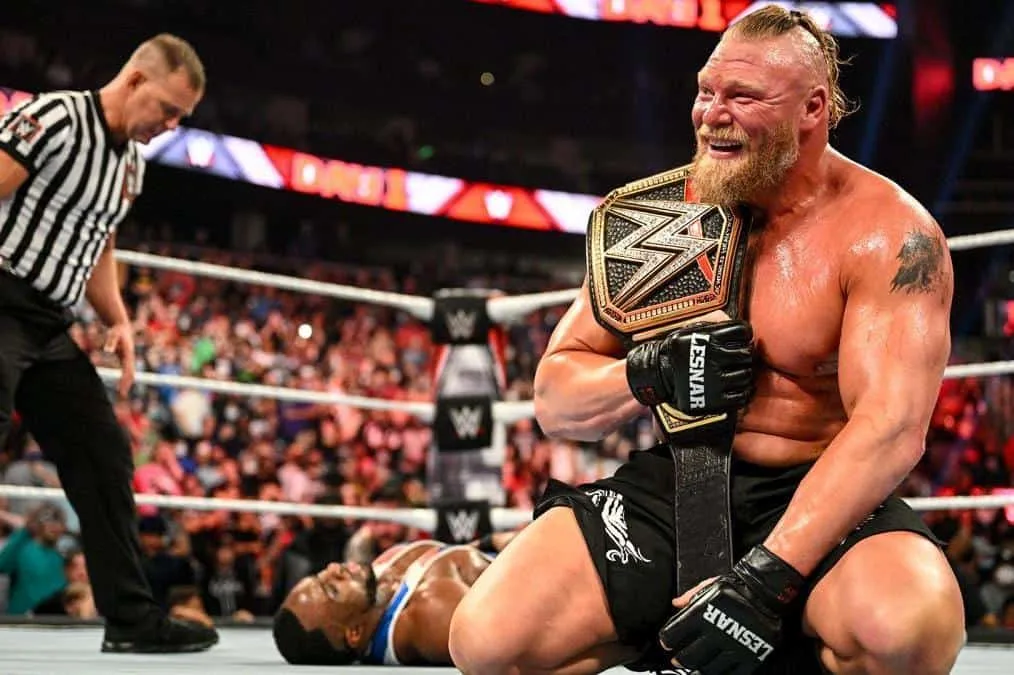
Brock Lesnar is a former NCAA Division I heavyweight wrestling champion and a former UFC heavyweight champion. His size and strength were hard to deal with, and his wrestling let him control opponents and win fights.
Georges St-Pierre
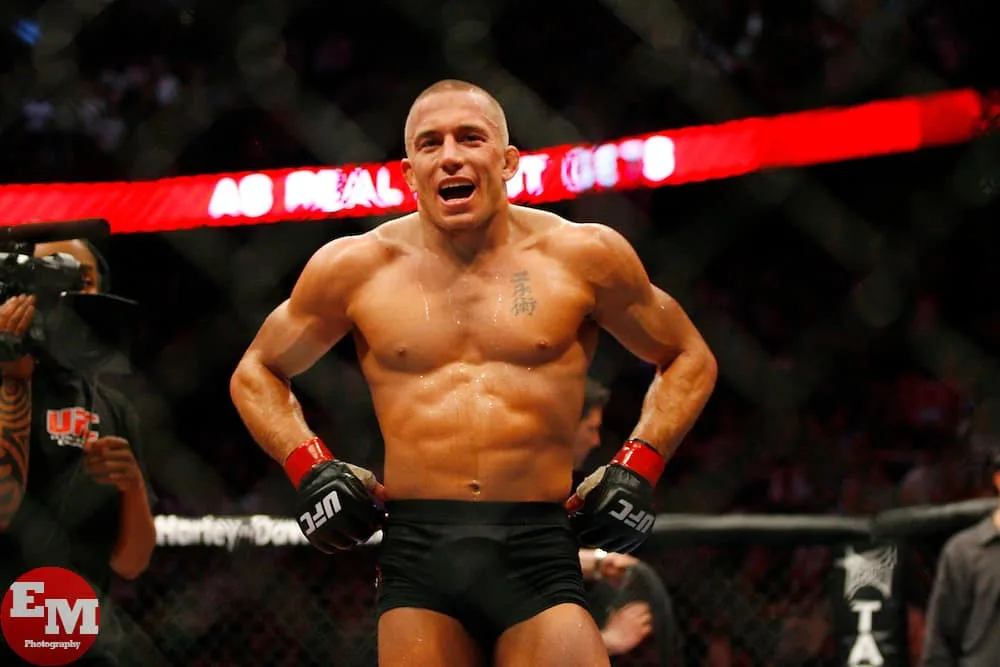
Georges St-Pierre is a former UFC welterweight champion and is widely considered one of the greatest fighters of all time. He wasn't a wrestling prodigy early in his career, but he developed into one of the best wrestlers in MMA, and that carried him to one of the most dominant title reigns in UFC history.
Daniel Cormier
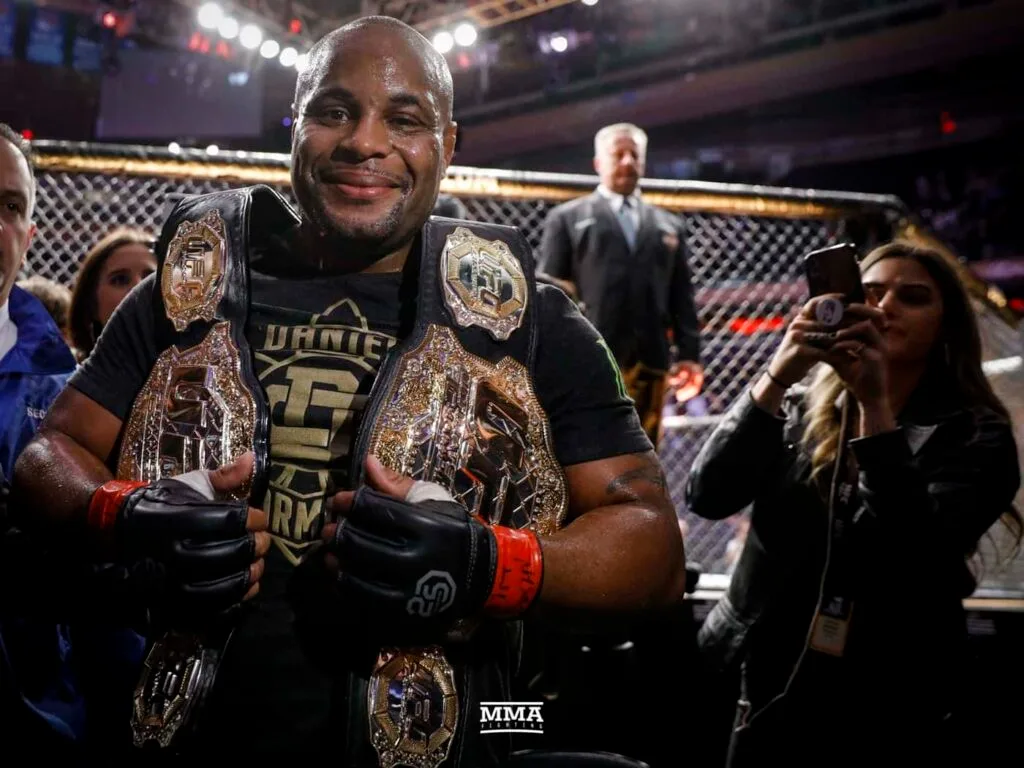
A former Olympic wrestler and former UFC heavyweight champion, Daniel Cormier paired his wrestling with strong stand-up to become one of the most well-rounded fighters in the sport. He's considered one of the best heavyweights of all time.
Khabib Nurmagomedov
Khabib Nurmagomedov is a former UFC lightweight champion and a former Russian national combat sambo champion. He used his wrestling to become one of the most dominant fighters in the sport.
Best stand-up fighting style in the UFC
There's no single best stand-up art. Fighters mostly draw on boxing, Muay Thai and kickboxing.
Stand-up is more entertaining than grappling, since a jab or a big punch can win a round by knocking someone out.
Boxing
Boxing isn't a complete fighting style on its own, but it teaches fighters to strike and defend with their hands. Many UFC fighters have a boxing background, and some have boxed professionally. Boxers often win striking exchanges thanks to precise punches and footwork.
They use jabs and hooks to set up strikes, move around the octagon to create angles, and read opponents' movements to counter. Notable UFC fighters with a boxing background include Conor McGregor, Anderson Silva, and Jorge Masvidal.
See Also: Fighters with Pro Boxing Backgrounds
Muay Thai
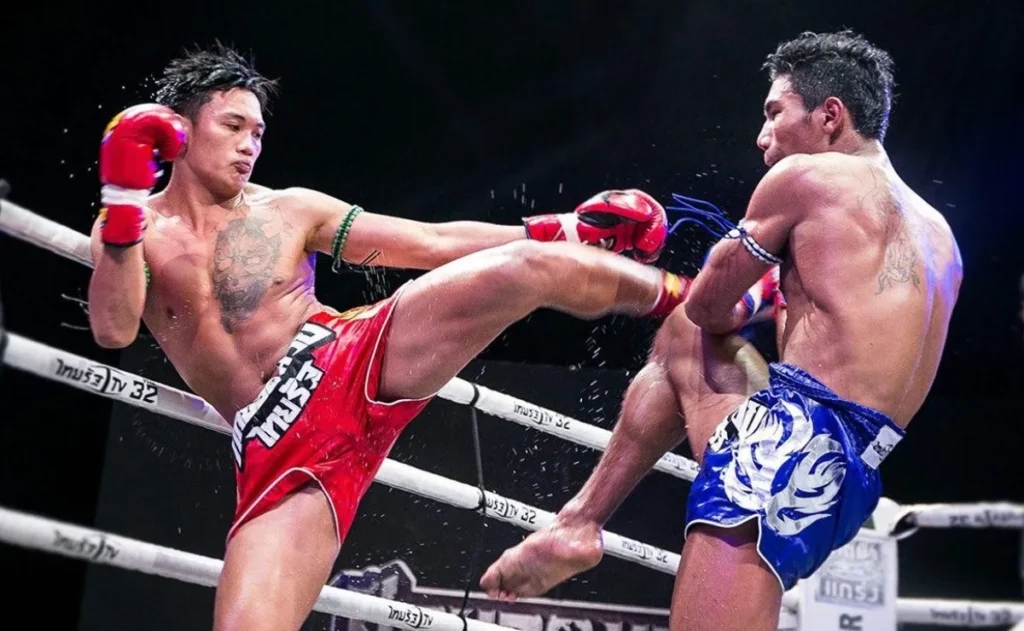
Muay Thai, sometimes called "The Art of Eight Limbs," uses punches, kicks, elbows and knees. It has been used by big names in MMA, including Anderson Silva, and Jose Aldo.
Attacking from all angles makes it hard to defend against.
It also has a defensive edge. Boxing defense leans heavily on the guard, which can leave openings for strikes below the belt line, a real danger in MMA. Muay Thai uses all eight limbs, so fighters can defend against strikes from every angle.
Kickboxing
Kickboxing combines elements of boxing and karate and focuses on powerful kicks and punches. Kickboxers have low kicks, high kicks and spinning kicks to choose from, and they use kicks to keep opponents at a distance and set up strikes. They also move well and tend to have the cardio to hold a high pace. Notable UFC fighters with a kickboxing background include Israel Adesanya, Stephen Thompson, and Donald Cerrone.
Other effective styles in MMA
Sambo is the main one. It's a Russian art that is similar to wrestling but adds submissions and striking.
Sambo
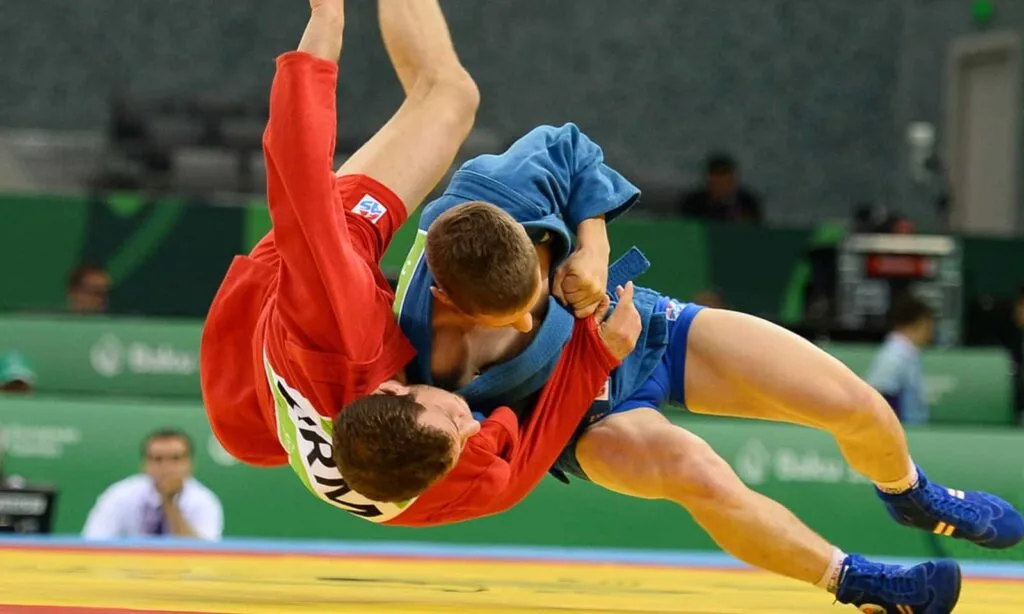
Sambo is a Soviet martial art created by Vasili Oshchepkov and Viktor Spiridonov in 1928. It combines techniques from judo, freestyle wrestling, Greco-Roman wrestling, catch wrestling, and even some striking from boxing and Muay Thai.
There are three main types of competition: sport sambo (similar to judo matches), combat sambo (similar to MMA matches), and freestyle sambo (which can include both grappling and striking).
Fedor Emelianenko, widely considered one of the greatest heavyweights of all time, used his sambo to great effect. He won many fights by submission with chokes and leg locks.