
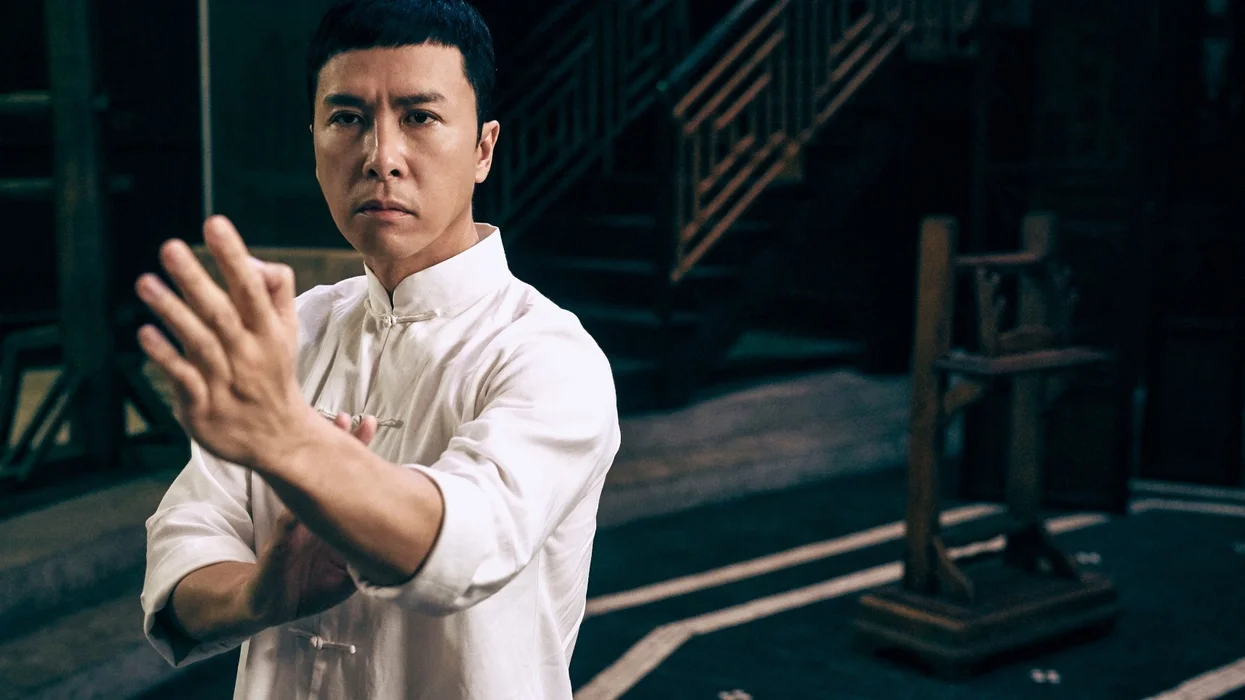
Wing Chun is a traditional Chinese martial art built on efficiency and direct lines of attack. Its practitioners aim to land fast strikes from close range. Whether it works in MMA is a regular argument among fans.
Some MMA fighters, like Tony Ferguson, have used Wing Chun ideas in their fighting. As a standalone art for MMA competition it's a poor choice, but it can add to a fighter's game when mixed with other disciplines.
Origins of Wing Chun
Wing Chun is a Chinese martial art with roots in the traditional Kung Fu system.
According to legend, a Shaolin Kung Fu master named Ng Mui created it as a way to beat brute force with softness, balance and flow. Its core idea is simplicity: take the shortest path between two points.
The style gained wide recognition when a master named Ip Man began teaching it in mainland China and Hong Kong. He preserved and promoted its traditional form, which is why it's still practiced today.
Its core principles are centerline control, attacking and defending at the same time, and using sensitivity to read an opponent's movements.
Fundamentals of Wing Chun
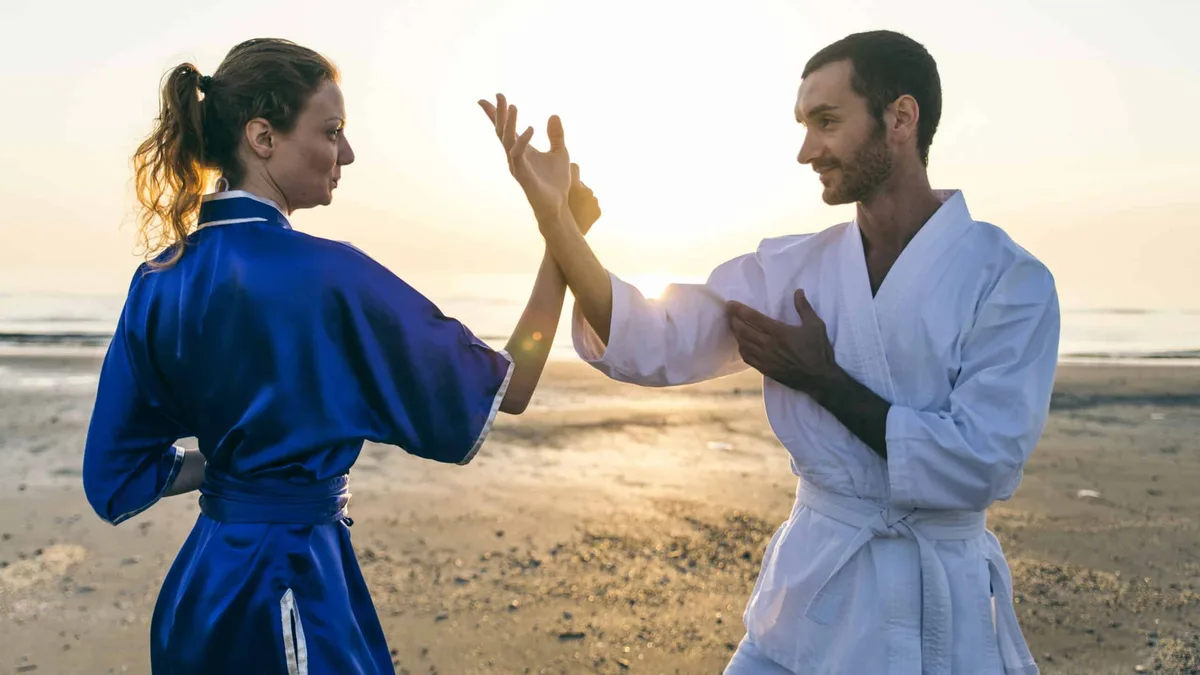
Wing Chun is a concept-based art from Southern China, known for close-quarters hand-to-hand fighting, rapid punches and a straightforward approach. The goal is to control the opponent while attacking and defending simultaneously.
Centerline control means using body position to keep balance and protect vulnerable areas. Constant forward pressure and speed matter too. Practitioners rely on reflexive responses to off-balance an attacker and turn his own attacks against him.
Trapping is the heart of its hand work. Trapping hands let a fighter strike, control and manipulate the opponent's limbs while attacking and defending. Common tools include blocks like Bong Sao and sensitivity drills like Chi Sao.
The strikes themselves are meant to be swift and precise. The famous chain punch fires one punch after another to overwhelm an opponent. Kicks are low, direct and aimed at the legs, such as the knee stomp.
Training often uses a wooden dummy (Mu Ren Zhuang), which drills close-quarters tactics and builds muscle memory through repetition.
Compared with Muay Thai, Wing Chun prioritizes speed and sensitivity over power. Some fighters, like Tony Ferguson, have used parts of it in MMA, but it stays a specialized, close-range discipline.
Wing Chun in MMA
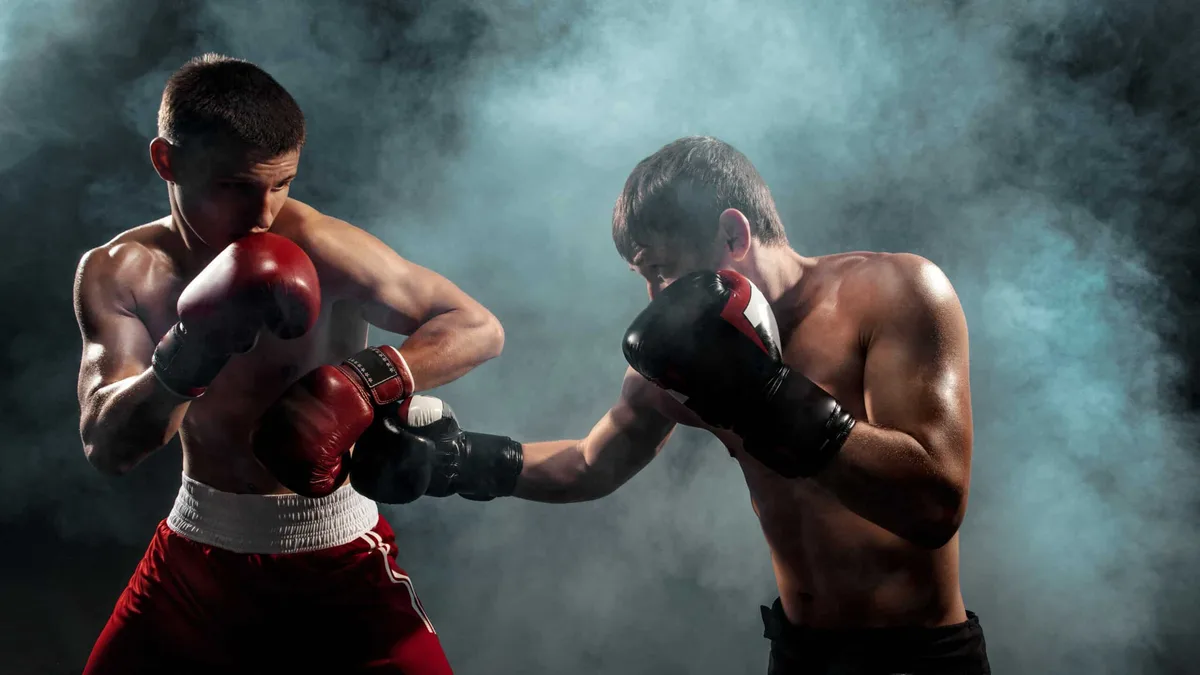
Fans have asked more in recent years how well Wing Chun works in MMA and the UFC.
Tony Ferguson is the best-known fighter to have brought elements of Wing Chun into his game. He has practised it for much of his career and is often seen training on a wooden dummy.
The most useful piece for MMA is hand trapping: pinning an opponent's hands against his body to create openings. It helps when fighting for grips and neutralizing a hooking hand.
The main criticism, raised by critics, is that Wing Chun lacks strong takedown defense. Takedowns decide a lot of MMA fights, and a fighter without an answer to them is in trouble against good wrestlers and grapplers.
The fix is to pair it with Brazilian Jiu-Jitsu and wrestling.
The rules also get in the way. Small joint manipulation and throat strikes, both traditional Wing Chun moves, are banned in MMA for safety reasons, so practitioners have to adapt.
Strengths of Wing Chun in MMA
The first strength is efficient movement along direct lines. The style is built for fast, close-range exchanges, with constant forward pressure and control of the centerline to off-balance attackers.
Core strength and reflexes are central to Wing Chun practice, so its students tend to have a solid base of fitness and stamina. Quick reflexive responses help in high-pressure moments.
Its economy of motion cuts wasted movement, which saves energy over long fights. In MMA, rounds run five minutes and title fights go five rounds, so that's a real benefit.
Wing Chun is also practical. MMA striking and grappling resemble real altercations, so a self-defense-focused art gives a fighter a useful set of skills.
Limitations of Wing Chun in MMA
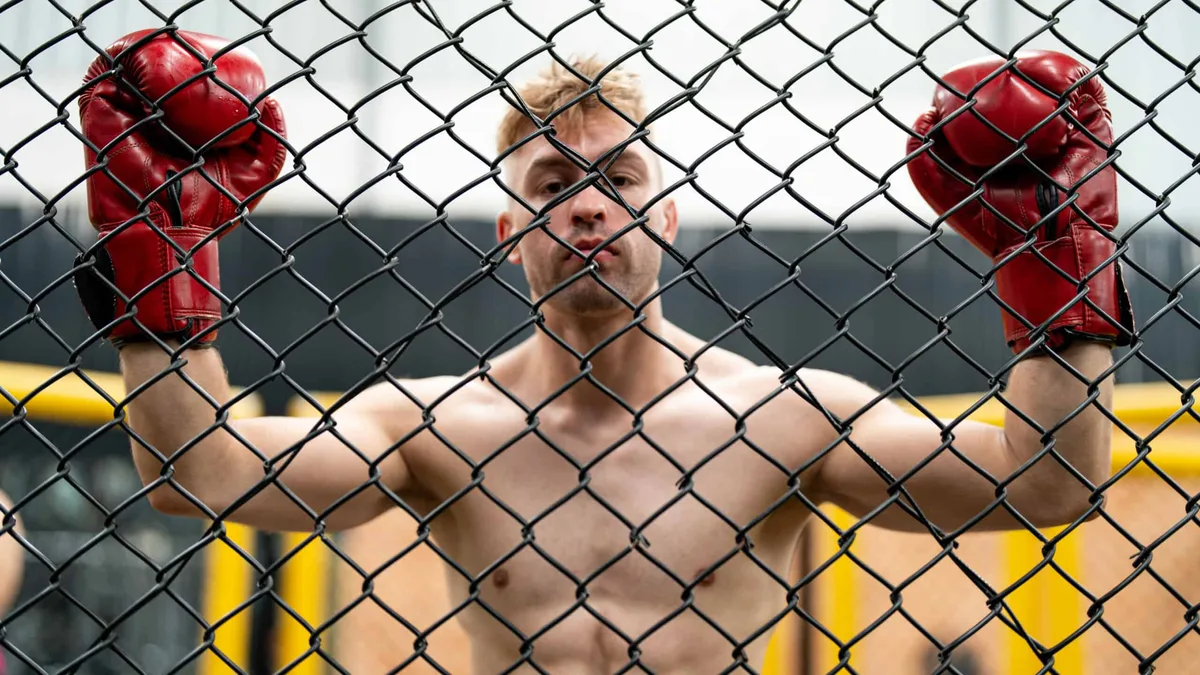
Wing Chun gives its students excellent hand trapping and striking, but large parts of MMA fall outside what it covers.
It centers on close range. MMA fighters mix boxing, karate and Muay Thai striking with wrestling and BJJ grappling, so they can adjust to any opponent. Wing Chun's close-range focus is predictable and easy to exploit.
It has almost no grappling. Grappling decides many MMA fights, letting fighters control, take down and submit opponents. Traditional Wing Chun training doesn't include much ground work, so a pure practitioner will struggle against a skilled grappler.
Direct lines of attack can be shut down by fighters who intercept strikes well. The oblique kick, used by fighters such as Jon Jones, keeps a Wing Chun fighter from closing the distance and exposes him to strikes from outside his preferred range.
Finally, some techniques taught in traditional Wing Chun, such as eye pokes and gouging, are illegal in most MMA competitions. They may work in self-defense, but they can't be used in regulated fights.
Notable fighters and their techniques
Several well-known fighters have been linked to Wing Chun ideas, including oblique kicks, bong sao and sensitivity training.
The most famous Wing Chun practitioner is Bruce Lee. He modified and expanded the art into his own system, Jeet Kune Do, built on fluidity, speed and adaptability.
The bong sao deflects incoming attacks and opens counters.
The oblique kick targets the opponent's lead leg, causing damage and slowing his movement. Jon Jones has used it to hold distance and control range.
Sensitivity training teaches a fighter to read and react to an opponent's movements and energy, which can sharpen timing and reaction speed.
Training for Wing Chun effectiveness in MMA
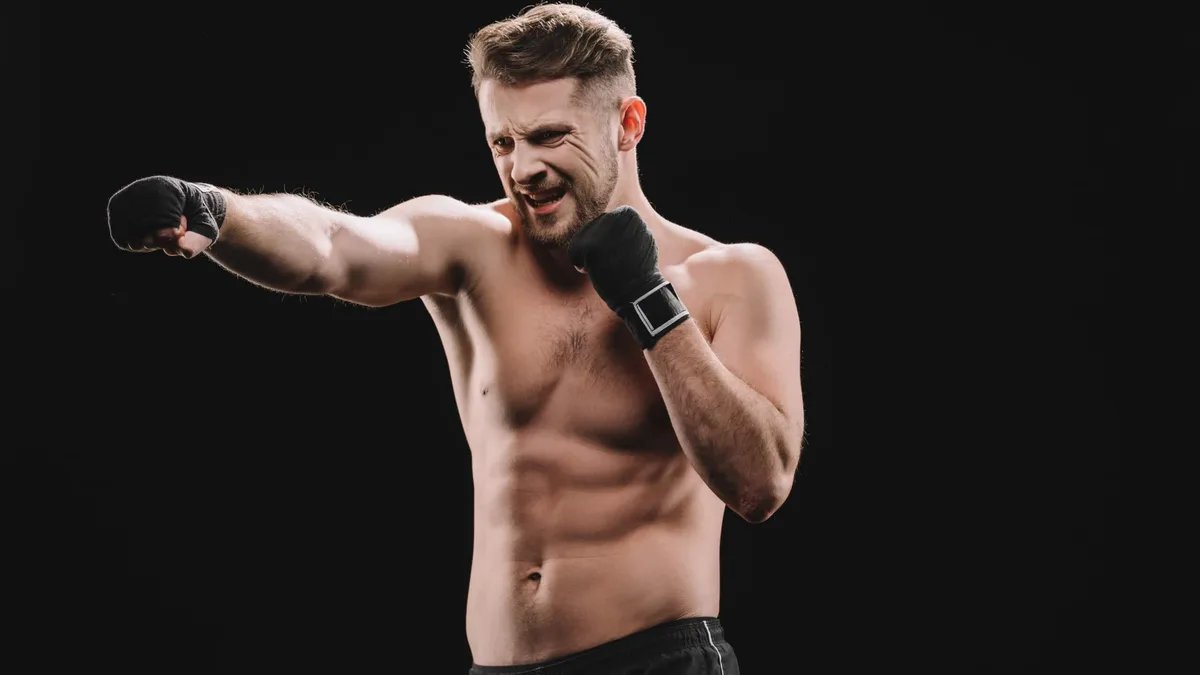
Traditional Wing Chun stresses sensitivity, reflexes and balance. MMA needs a wider skill set, so training has to fill the gaps.
Start with strength and core fitness. Strength work and core stability give a base for executing techniques well.
Spar a lot. Sparring shows how Wing Chun techniques hold up against other styles and forces them to work in a less scripted, more fluid setting, which is closer to a real MMA bout.
Its ground game is the biggest hole, so add BJJ. Learning a few grappling techniques prepares a Wing Chun fighter for the styles he'll meet in MMA.
Adapt as well. Close-range, direct attacks don't suit every opponent, so a fighter needs to change his strategy to fit each one.
Frequently Asked Questions
How does Wing Chun perform against other martial arts in MMA?
On its own, Wing Chun is unlikely to beat well-rounded fighters. Combined with BJJ or Muay Thai, it can add to a fighter's offense and defense.
What is the track record of Wing Chun practitioners in UFC?
Few UFC fighters rely only on Wing Chun. Tony Ferguson has used it alongside other training and won the interim lightweight title.
What aspects of Wing Chun can be effectively applied in an MMA context?
Hand trapping is the main one. It creates openings and controls an opponent's limbs, which helps when fighting for grips. The efficient, direct movement can also make a fighter more agile and precise.
How does Wing Chun compare to other striking styles used in MMA?
Its close-range striking and hand trapping set it apart from Muay Thai and boxing. It doesn't offer the same power or reach, but it can catch opponents off guard and create openings for submissions or ground-and-pound.
What are the limitations of Wing Chun when used in MMA?
It's built for close range, which isn't always an advantage in MMA, and it has little grappling. Its strikes and movements also tend to lose effectiveness against opponents who've seen a range of martial arts.
Are there notable MMA fighters who successfully utilize Wing Chun techniques?
Tony Ferguson is the name most often cited. By blending Wing Chun with other arts, he has shown it can have a place in MMA.